
Honda Civic Won’t Start? Troubleshooting Best 7 Tips
Is your Honda Civic not starting? That can be very annoying. Luckily, knowing the usual problems is a great first step.
This guide shows you how to spot symptoms and figure out possible causes of not starting. First, check the electric parts like the battery and alternator.
These are key in start-up issues. Also, look at the fuel system for any problems and check if the starter motor works right.
By testing step by step, you can identify or rule out problems. In this article, you’ll find helpful advice and simple steps to fix these issues.
Get ready to learn how to diagnose and solve the problems, getting your Honda Civic running again!
What is Common Honda Civic Starting Issues?
It’s annoying when your Honda Civic won’t start. Knowing the common symptoms and causes of Honda Civic starting problems is crucial.
These issues can vary, from the engine cranking without starting to a total loss of power. Recognizing these symptoms is the first step to figuring out why your Honda Civic won’t start.
Overview of Starting Problems and Symptoms
Common symptoms of starting problems include:
- Dead battery
- Slow cranking
- Clicking sounds without engine turnover
Seeing any of these signs means your Honda Civic might have starting problems. It’s important to get this checked quickly to prevent bigger issues.
Everyday Causes of “No Start” Conditions
Several factors can lead to a Honda Civic not starting. Main causes include:
- Battery failure: Even a new battery can fail if the connections or wiring are not secure.
- Faulty starter motor: If the starter motor is malfunctioning, it may not engage properly.
- Fuel delivery issues: Problems with the fuel pump can prevent the engine from receiving fuel.
For example, you might still have starting problems even after getting a new battery. This shows why it’s important to check all connections and wiring when adding new parts.
Electrical Components To Check First
If your Honda Civic won’t crank, first look at the electrical parts. The battery and alternator are key. They are very important for starting your car.
If the dashboard lights and radio work but the car won’t start, the problem might be with the battery or its connections.
Battery Status and Connections
Start with the battery. Make sure its connections are tight. You should also check for any green or white stuff on the terminals.
This stuff, or corrosion, can stop enough power from getting to the starter, making it hard to start the car. You should look at:
- Visual signs of corrosion at terminal connections
- Tightness of the battery cable connections
- Battery voltage using a multimeter or battery tester
Testing The Alternator
The alternator’s health is very important too. Even if it seems okay, a bad alternator can cause start-up problems.
It’s important to make sure it’s keeping the battery charged. To test the alternator, do this:
- Start the car and check if the battery voltage is between 13.7 to 14.7 volts.
- With the car running and electrical accessories on, the voltage should stay the same.
- If the voltage goes up and down, you might need to check it more closely.
Keeping the alternator in good shape is crucial for solving starting problems with your Honda Civic. Checking it regularly can save you from sudden car trouble.
Learning The Role of The Starter Motor
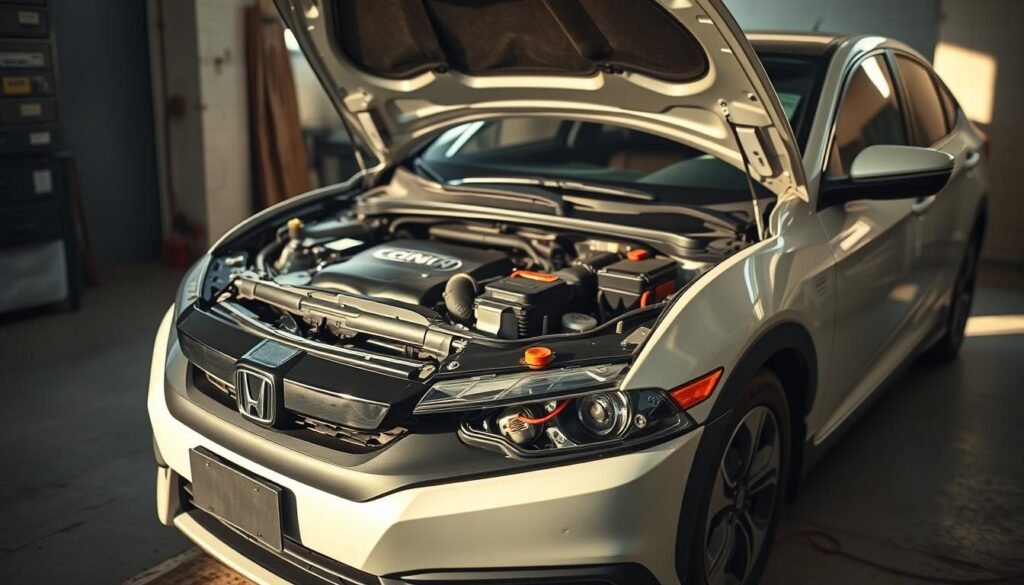
The starter motor is key to getting your Honda Civic running. It gets the engine going, starting the combustion process. If your Honda Civic’s engine won’t start, the starter might be at fault.
Spotting the signs of a bad starter can save you both time and money. And knowing how to check the starter helps you fix the issue more easily.
Symptoms of A Failing Starter
If you know what signs to look for, you can catch starter problems early. Keep an eye out for these warning signs:
- A clicking sound when you turn the key.
- Slow cranking speed when attempting to start.
- No noise or response when turning the ignition.
- Frequent problems starting the engine after repeated attempts.
How To Diagnose Starter Problems
If your Honda Civic isn’t starting right, here’s what you can do:
- Check the starter relay to ensure it is functioning correctly.
- Verify that the ignition switch sends power to the starter motor.
- Inspect connections for corrosion or loose wires.
- Use a multimeter to test voltage at the starter.
By taking these steps, you can find out why your Honda Civic isn’t starting. Being quick to diagnose starter issues means you can start fixing them without delay.
Identifying Fuel System Failures
A malfunctioning fuel system can greatly affect Honda Civic starting issues. It’s important to check the fuel pump first.
It is crucial in getting the needed fuel to the engine. When solving start problems in Honda Civics, knowing how to check the fuel pump helps a lot.
Checking The Fuel Pump Functionality
To test the fuel pump, listen closely as you turn the key to ‘ON’ without starting the car. A faint noise should be heard – this means the pump is working.
If there is no sound, the pump might be broken, or a relay issue might be at play. Bad relays can stop the pump from getting power.
Signs of Fuel Delivery Issues
If your Honda Civic has trouble starting, check beyond the battery and electrical parts. Look into the fuel system too. Clogged filters or bad fuel injectors can cause poor fuel delivery.
- Clogged Fuel Filters: Blocked fuel flow stops the engine from getting enough fuel.
- Failed Fuel Injectors: Non-working injectors might make the engine run poorly or not start.
- Fuel Line Blockages: Debris in the fuel lines can cause serious starting problems.
Electrical System Components Related To Starting
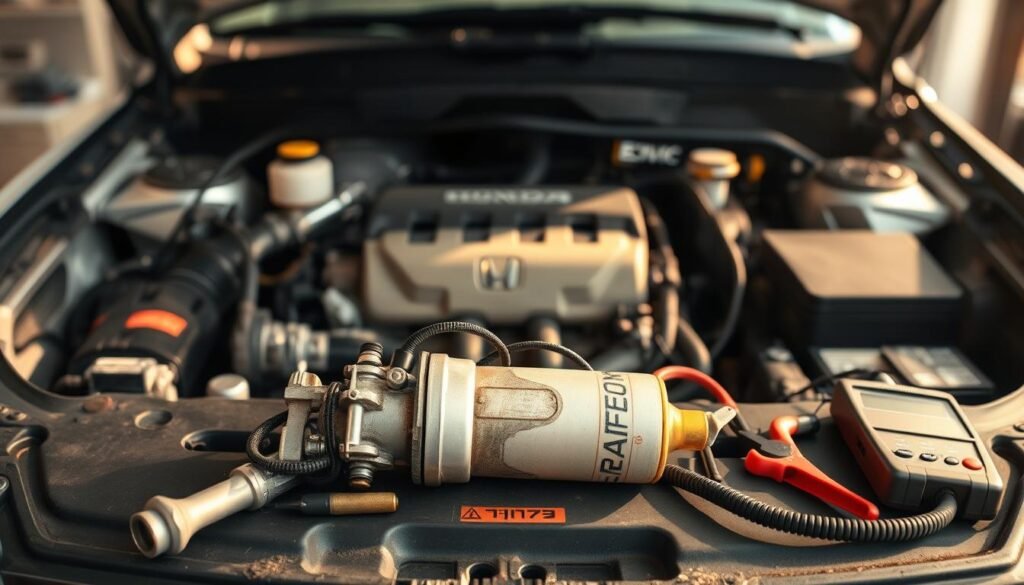
Diagnosing starting problems in a Honda Civic means understanding the electrical parts involved. Your car’s electrical system must be in top shape for it to start.
Look closely at fuses, relays, and the ignition switch when trying to figure out why a Honda Civic won’t start.
Examining Fuses and Relays
First, check the fuses and relays connected to starting and ignition. A bad fuse or relay can stop your car from starting.
Use tools like a fuse tester or multimeter to make sure everything works as it should.
- Check for visible signs of damage on fuses.
- Test relays by swapping them with similar functioning relays.
- Ensure connections are clean and free from corrosion.
Importance of The Ignition Switch and Wiring
The ignition switch and wiring are key for sending the electric signals to start the car. If the ignition switch is bad, you might see electrical issues that affect starting.
Also, damaged wiring can mess with the electric flow, causing problems.
- Turn the ignition key to various positions to check for issues.
- Inspect wiring for signs of wear or breaks.
- Consider replacing the ignition switch if tested signals are inconsistent.
Diagnosing Honda Civic Won’t Start Issues
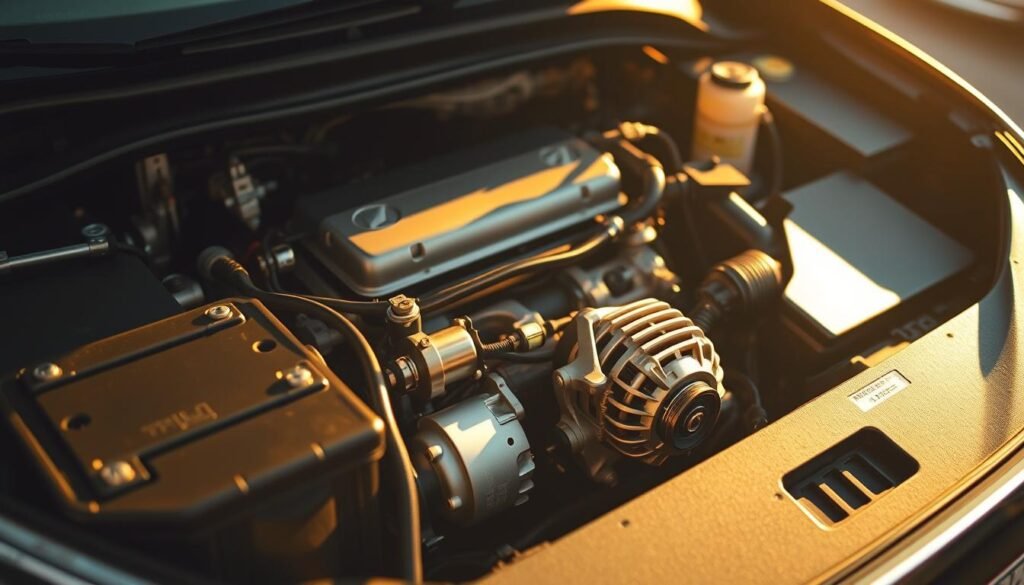
When your Honda Civic won’t start, tackling the problem step by step is key. Your goal is to identify the issue quickly and accurately. Begin by examining the car visually and run simple tests.
For example, check the battery voltage and listen for the sound of the fuel pump when you start the car. These actions help pinpoint the problem.
Step-by-Step Troubleshooting Process
To fix your Honda Civic’s starting trouble, follow these steps:
- Look at the battery for rust and make sure connections are tight.
- Use a multimeter to check the battery voltage, which should be above 12.6 volts.
- Turn the ignition on and listen for a humming sound from the fuel pump.
- Examine the starter motor for damage or signs of wear.
- Check if all necessary fuses are good, replacing any that aren’t working.
Using Diagnostic Tools For Precise Identification
Diagnostic tools make finding the exact problem with your Honda Civic easier. An OBD-II scanner, for instance, reads the car’s computer to find error messages that point out where the fault lies.
These tools help you figure out what’s wrong more accurately. Remember these tips when using diagnostic tools:
- Switch the car’s ignition to “on” before connecting the scanner.
- Write down any error codes for a detailed check.
- After fixing issues, clear the scanner’s codes and scan again for new ones.
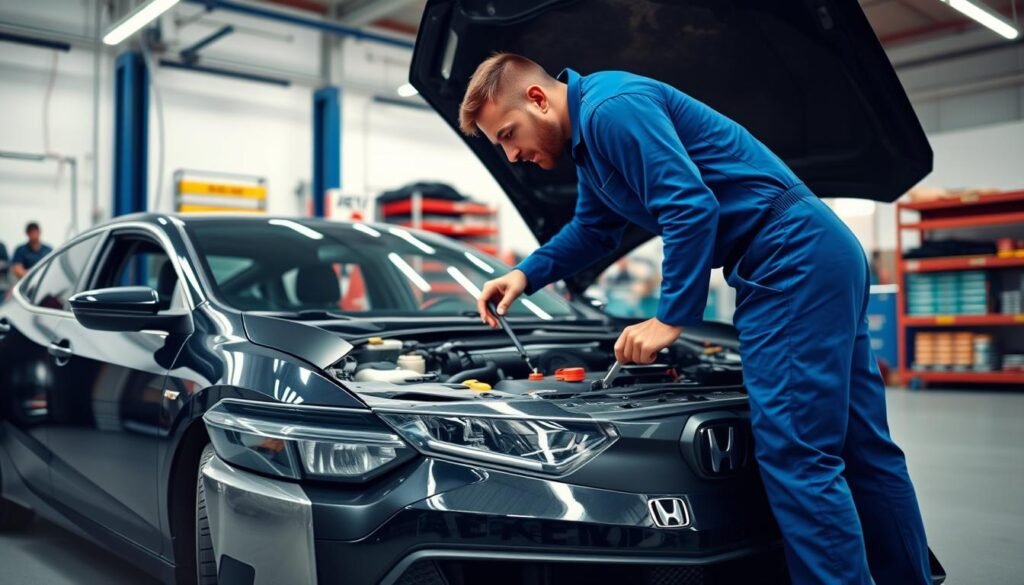
Common Problems with Honda Civic Models
Honda Civic starting issues can vary by the model year. Older models often face specific electrical problems.
Meanwhile, newer Civics might have troubles with their electronic systems. Knowing these issues can help you fix any problems you might find.
Year Specific Starting Issues
Some years of Honda Civic are known for certain starting problems. Let’s look at some of them:
| Model Year | Common Issues |
|---|---|
| 2001-2005 | Repeated starter and alternator failures |
| 2006-2011 | Battery drain issues, often linked to electronics |
| 2012-2015 | Problems with ignition systems and key fobs |
| 2016-Present | Failures related to electronic control units |
Forums and Community Insight
Joining forums for Honda Civic owners can be very helpful. People there share their experiences and fixes.
This can give you a better idea of what issues your car might have and how to solve them.
DIY Fixes For Honda Civic Starting Problems
Having trouble starting your Honda Civic? There are easy steps you can follow to figure out and maybe solve the issue.
Many common issues can be fixed with just basic tools and a bit of know-how. Start solving Honda Civic starting problems by checking the basic parts of your car.
Basic Troubleshooting Steps
First, look at the battery connections. Make sure they’re clean and tightly connected. Then, see if any fuses related to starting are blown, and replace them if needed.
Also, listen for any odd sounds from the starter when turning the key. Clicking or grinding sounds could mean there’s something wrong with the starter motor.
- Inspect battery connections for corrosion.
- Test the battery voltage using a voltmeter.
- Check the ignition switch.
- Replace blown fuses related to starting.
- Listen for noises from the starter motor.
By trying these easy DIY fixes for Honda Civic starting problems, you might be able to fix the issue on your own.
When To Call A Professional Mechanic
If you run into complicated problems, it’s best to call an expert mechanic. Problems with the starter motor or fuel system can be tricky and need special know-how and tools.
If you’ve tried simple solutions without success, it’s time to get professional help.
Here are signs you need a professional mechanic:
- Your vehicle still won’t start after basic troubleshooting.
- Inconsistent electrical issues with no clear cause.
- Multiple systems are affected, like alarms or dashboard lights.
Conclusion
Compromise your Honda Civic’s electrical and fuel systems is key when facing starting issues. We discussed the importance of the battery, alternator, and fuel systems.
Each is crucial for a smooth and reliable start. Knowing common symptoms and fixes lets you solve small issues early.
Often, you can fix starting problems yourself. But for bigger issues, getting professional help is wise to avoid expensive repairs later.
Now, with the insights from this guide, you’re ready to tackle Honda Civic starting problems effectively.
Recognizing problems early and knowing what to do keeps your car ready for everyday use.
FAQs
Q: What should I check first if my Honda Civic won’t start?
A: Start by checking the battery and its connections. Make sure there’s no corrosion. Also, ensure all connections are tight.
Q: What are common symptoms of a Honda Civic that won’t crank?
A: Symptoms include clicking sounds when you turn the key. You might notice slow engine cranking. Or, everything else works except the engine starting.
Q: How can I diagnose starting issues in my Honda Civic?
A: First, check the battery voltage. Then, look at fuses and relays. Don’t forget to test the alternator and starter motor too.
Q: How do I check if the fuel pump is working?
A: Turn the key to the ‘ON’ position and listen. If you don’t hear the fuel pump, it might be broken.
Q: What could cause intermittent starting issues in my Civic?
A: Weak battery connections often cause intermittent starts. A failing starter motor or ignition switch issues are common too.
Q: When should I consider seeking professional help?
A: If you’re facing ongoing issues, get professional help. This is especially true if you’ve tried simpler steps without success.
Q: Can an alternator issue cause starting problems even if it tests fine?
A: Yes, an alternator can still be a problem. This happens if it doesn’t keep the battery at the right voltage.