Chevy Spark Years to Avoid – Exclusive 9 Buyer’s Guide
Looking for a Chevy Spark? It’s key to know which years to avoid to save time and money. The Spark is known for its small size and good gas mileage.
But some years have reliability issues. This guide points out those problem years and what issues they bring, helping you make a smart choice.
Knowing which years to avoid helps you dodge costly repairs. It also helps you find the best Chevy Spark years to buy.
We’ve looked at owner reports and reliable data to guide you. With this info, you can enjoy driving your Chevy Spark, worry-free.
We’re here to help you pick the best Chevy Spark years to avoid model. One that you can rely on!
Introduction To The Chevy Spark
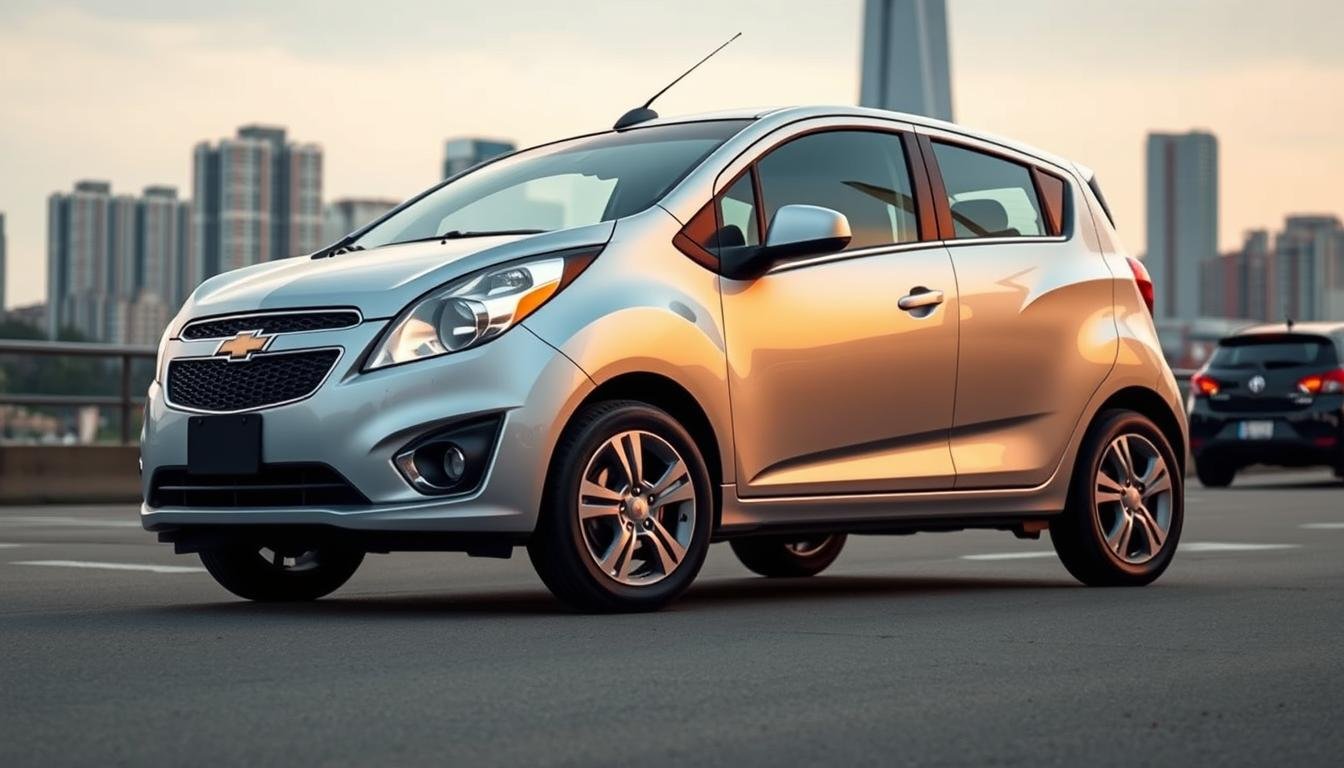
The Chevy Spark is a top choice among affordable small cars, especially for city dwellers. Since launching in 1998, it’s known for being easy to drive in urban areas.
Its small size lets you effortlessly move through tight spots and find parking easily. In 2016, a new version of the Spark came out with cool tech upgrades.
These include a backup camera and phone connection features. These additions make it great for those who love technology and want a smooth ride.
The latest Spark mixes low cost, useful features, and modern tech. This makes it a great buy for those watching their budget.
Overview of Chevy Spark Generations
The Chevy Spark has gone through four unique phases. First rolled out from 1998 to 2004, it emerged as a small but mighty option. It was ideal for city trips.
From 2005 to 2009, the second generation saw subtle design and performance boosts. It focused on making the ride more comfortable without sacrificing its easy-to-drive nature.
The third era, spanning from 2010 to 2016, brought major safety and entertainment upgrades.
These updates aimed at blending technology with driving, making the car both safer and more enjoyable to use.
Starting in 2016 and still going, the fourth generation highlights being connected and efficient. It features things like smartphone connections and better gas mileage.
This attracts a broad audience, from those buying their first car to those who love the latest tech.

| Generation | Years | Key Features |
|---|---|---|
| First | 1998-2004 | Compact design, urban functionality |
| Second | 2005-2009 | Moderate updates, improved comfort |
| Third | 2010-2016 | Safety enhancements, infotainment integration |
| Fourth | 2016-Present | Connectivity focus, fuel efficiency |
Knowing about the different Chevy Spark generations helps in choosing the right one for you. Each one has its own benefits that add to the Chevy Spark’s rich legacy.
Evaluating Chevy Spark Reliability
Looking into the Chevy Spark reliability involves checking out things like official reports, what users say, and how many complaints there are.
Reports from the NHTSA show that most Sparks are reliable with few recalls. This makes them a good choice for those watching their budget.
Yet, some cars from the third generation have had reliability problems. Checking these issues when you evaluate a car is very helpful.
Knowing the Chevy Spark’s reliability history helps you make smart choices and avoid future trouble.
It’s also key to pay attention to the safety ratings. They give you more info on how dependable it is for daily driving.

Chevy Spark Years To Avoid
Knowing which Chevy Spark years to avoid is key for buyers and current owners. Some years have gotten bad feedback due to big problems.
This overview shows which Chevy Spark models to skip and why.
Problematic Model Years Overview
The years 2013, 2014, and 2015 are not good for the Chevy Spark. These models often have mechanical problems. Issues with air conditioning, transmission, and airbags are common.
Reasons To Skip These Models
- 2013: Air conditioning often fails, costing a lot to fix.
- 2014: Transmission issues affect how the car drives and its safety.
- 2015: Serious problems with airbags can put everyone in the car at risk.
Avoiding these Chevy Spark years helps dodge big repair bills and safety worries. It makes owning the car safer.

Common Chevy Spark Problems
Knowing the Chevy Spark’s common issues can help you tackle potential reliability problems early.
Owners have highlighted issues with the air conditioning, transmission, and airbags. Tackling these early through good troubleshooting can save both time and cash.
Air Conditioning Issues
Many Chevy Spark owners complain about their air conditioning. They notice weak airflow or warm air coming out of the vents.
These issues often come from leaks or broken compressors. Fixing them can cost around $650, so stay alert for any A/C problems.
Transmission Failures
Older Spark models with CVTs face transmission problems. Owners report slipping or odd behaviors.
These signs show the need for detailed Chevy Spark troubleshooting to keep your drive safe and steady.
Airbag System Failures
The Spark has seen several recalls due to airbag issues. Problems can come from bad sensors or software errors that stop the airbags from deploying correctly.
The seriousness of these issues means buyers should check the airbag system’s condition closely.

Best Chevy Spark Model Years
Some Chevy Spark models are especially reliable and perform well. The 2005, 2012, 2016, and 2018 models are highly regarded.
They offer dependable features and quality. Choosing one of these Chevy Spark years can make you very happy.
The 2018 Chevrolet Spark stands out for its fuel efficiency. It gets 29 MPG in the city and 39 MPG on the highway. A 1.4-liter 4-cylinder engine gives it 98 horsepower.
You can choose between a 5-speed manual or a CVT. It’s safe too, with Rear Park Assist, Lane Departure Warning, and Forward Collision Alert.
This makes it a balanced and secure choice. The 2012 Chevrolet Spark is also a good pick. It has hardly any recalls and many owners love it.
The 2005 model is known for lasting a long time and having few problems. It’s a good alternative to many other cars.
The 2016 model made some improvements in reliability. It has some airbag and brake system complaints, but not many.
If you’re looking for a used Chevy Spark, the 2016 model is a reliable choice. It’s seen as one of the dependable models.
| Model Year | Reliability Rating | Fuel Efficiency (City/Highway MPG) | Notable Features |
|---|---|---|---|
| 2005 | High | N/A | Durability, low reported issues |
| 2012 | High | N/A | Minimal recalls, dependable |
| 2016 | Improved | N/A | Better reliability, enhanced features |
| 2018 | Very High | 29/39 | Safety features, engine options |
User Reviews and Reliability Reports
User reviews are key to understanding the Chevy Spark’s performance and reliability.
They give insights from people who own one. This helps you see the good and the bad before deciding.
Consumer Testimonials
Feedback from Chevy Spark users covers many model years. Owners like its fuel efficiency, small size, and low cost.
Yet, some point out issues like air conditioning and transmission problems. This feedback gives a clearer picture of what to expect.
NHTSA Research Findings
The NHTSA’s data back up what consumers say. It shows which model years got the most complaints. This research makes it easier to understand the car’s pros and cons.
| Model Year | Common Issues Reported | Consumer Feedback Summary |
|---|---|---|
| 2013 | Transmission Problems | Mixed reviews; some users faced major issues, while others praised the overall performance. |
| 2014 | Air Conditioning Failures | Frequent complaints about AC performance, with some owners highlighting reliability. |
| 2016 | Engine Performance Concerns | Positive overall reviews; good fuel economy, but some reported a lack of power. |
| 2019 | Airbag System Issues | Received feedback focusing on safety concerns; some drivers expressed disappointment. |
Cost of Repairs and Maintenance
It’s important for Chevy Spark owners to know about ongoing expenses for repairs and maintenance.
Getting familiar with costs and what maintenance is needed helps avoid surprise bills and keeps your car running longer.
You’ll find useful info on common repairs and tips right here, so managing your car’s expenses gets easier.
Common Repair Costs
As time goes by, your car will need certain repairs. It’s good to know how much these might cost ahead of time. For example, fixing the A/C compressor can cost between $732 to $918.
This price includes labor, which is between $130 and $164, and parts, which cost between $602 and $754. Knowing these costs helps you plan for repairs before they happen.
Maintenance Tips For Chevy Spark Owners
To save time and money later, regular maintenance is key. Here are some important tips:
- Engine Oil Change: Change your oil and filter at least once a year or every 5,000 km (3,000 miles), whichever comes first. The oil life system may prompt service under optimal conditions.
- Brake System Inspection: Inspect the brake system annually or every 20,000 km (12,000 miles). This ensures brake pads, discs, and fluid levels are optimal for performance.
- Transmission Fluid Change: Replace transmission fluid every 48,000 km (30,000 miles) for manual transmissions and every 96,000 km (60,000 miles) for automatics to maintain longevity.
- Cabin Air Filter Maintenance: Regularly check and replace the cabin air filter at least once a year or every 20,000 km (12,000 miles). This helps maintain air quality and prevents HVAC strain.
By following these tips, you can lower your Chevy Spark’s repair costs and keep it running well.
Tips For Buying A Used Chevy Spark
When buying a used Chevy Spark, there are key points to consider. To improve your purchase experience, focus on checking the car’s condition and confirming its dependability.
Use these tips to buy a used Chevy Spark wisely.
What To Look For When Test Driving
Testing the car’s performance is essential. Here’s a checklist for your test drive:
- Check the air conditioning functionality—ensure it cools effectively.
- Pay attention to the transmission—shift smoothly without jerks.
- Listen for unusual sounds—knocking or grinding could signal issues.
- Evaluate braking performance—ensure brakes respond promptly and smoothly.
- Assess overall comfort and handling—test steering responsiveness and ride comfort.
Checking For Recalls and Repairs
Before you buy, check the car for any recalls. Doing so ensures the vehicle doesn’t have unresolved safety concerns.
Look into the vehicle’s history with its VIN to focus on:
- Completion of recall repairs—ensure previous recalls have been addressed.
- Expert reviews of the car’s service history—see if any major problems have been fixed.
- Consult NHTSA resources for a comprehensive overview of recall status.
Alternatives To Consider
If you’re looking at compact cars, don’t just stop at the Chevy Spark. Consider other options like the Nissan Micra and Mitsubishi Mirage.
Knowing what each offers helps pick the right car for you.
Comparing Competitors: Nissan Micra and Mitsubishi Mirage
The Nissan Micra and Mitsubishi Mirage stand out in the small car market. Let’s take a closer look at them.
| Feature | Nissan Micra | Mitsubishi Mirage |
|---|---|---|
| Engine and Performance | Balanced performance, reliable for urban driving | 1.2-liter 3-cylinder engine with 78 horsepower |
| Fuel Efficiency | Competitive economy for daily commuting | 39 mpg city / 43 mpg highway |
| Interior Comfort | Spacious, maximizes cargo solutions | Seats five, rear seating can be cramped |
| Technology | Modern infotainment options | 7-inch touchscreen, Apple CarPlay, Android Auto |
| Safety | Standard safety features | Forward collision mitigation, rearview camera |
Factors To Consider in Your Decision
When looking at Chevy Spark rivals, think about a few things:
- Performance capabilities and engine efficiency
- Fuel economy ratings, especially for daily commutes
- Interior space and comfort features
- Technological integration and safety options
- Consumer reviews and reliability insights
The Mitsubishi Mirage is great for saving on gas. But the Spark has more power and room.
The Micra is reliable but might not be sold in the U.S. These points help you choose the best vehicle.
Conclusion
Understanding the Chevy Spark well means knowing its different generations and which years to stay away from. It’s crucial to watch out for the years 2013, 2014, and 2015.
This knowledge helps you pick the best model that’s likely to be reliable. This guide makes your search for the right car easier and less stressful.
By knowing which models are good and which to avoid, you can get a Chevy Spark that’s a joy to own.
It stresses how important it is to do your homework before buying. Knowing all you can about the Chevy Spark is key to making a smart choice.
Use this guide to help you decide, so you end up with a car that suits your needs and keeps you happy.
FAQs
What are the Chevy Spark model years I should avoid?
Avoid the Chevy Spark models from 2013, 2014, and 2015. These years have had problems with air conditioning, the transmission, and airbags.
What are the common issues with the Chevy Spark?
Owners report problems like air conditioning failing, the transmission slipping, and airbag system malfunctions. These issues can be expensive to fix and raise safety worries.
Which Chevy Spark model years are considered reliable?
The years 2005, 2012, 2016, and 2018 are seen as reliable. They are praised for their dependability and how well they perform.
How do I evaluate the reliability of a used Chevy Spark?
To check a used Chevy Spark’s reliability, look at what owners have said and analyze complaint stats from the NHTSA. Also, know about issues for certain years.
What is the typical cost of repairs for the Chevy Spark?
Repair costs can be high. For example, a new A/C compressor might be over 0. But, doing regular things like oil changes and checking brakes can help avoid bigger issues.
What should I look for when test driving a used Chevy Spark?
During a test drive, check how well the air conditioning works, if the transmission is smooth, and listen for any strange sounds. These could point to problems.
How can I check for recalls on a Chevy Spark?
To find recalls on a Chevy Spark, use the VIN on the NHTSA website. It’ll show any recalls that haven’t been fixed yet.